

I Check Your Website Before Customers Use It
I check your website's speed, mobile layout, search accessibility and HTTPS setup before launch and after updates. If a check finds a problem in the website I manage, I investigate and fix it.
A slow page, a broken form or a hard-to-use phone layout can cost you an inquiry. I check the website before launch and after updates to catch those problems.
I build and maintain your website myself. If you report a problem, you deal directly with me. I investigate it, explain what needs fixing and handle repairs covered by your website service.
What Does the Website Quality Promise Cover?
- Mobile speed tested: I test how fast pages load on a phone and investigate significant slowdowns.
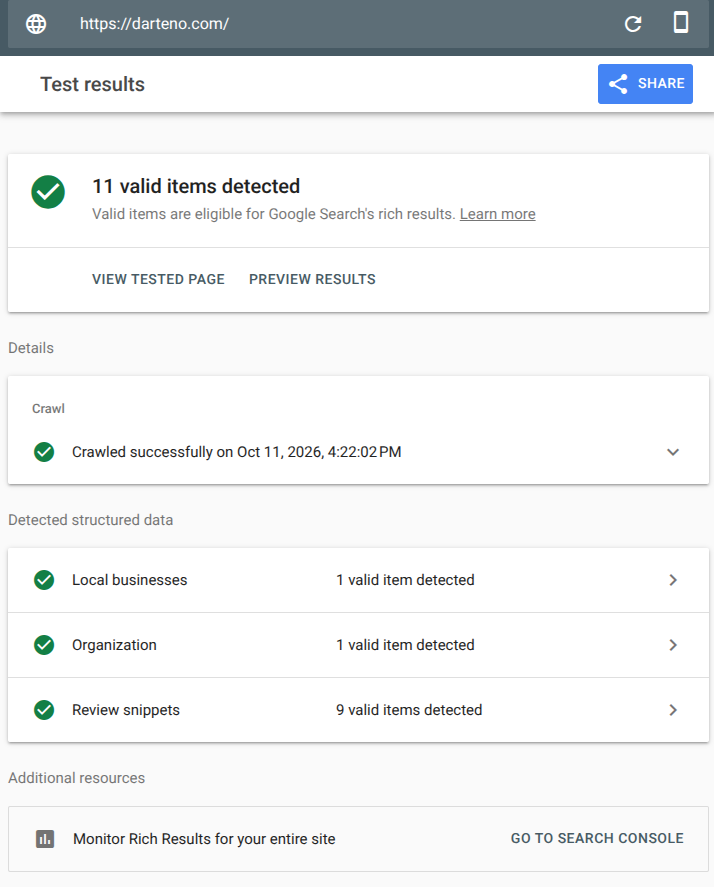
- Search accessibility checked: I check that search engines can reach your pages and read your business, services and service area.
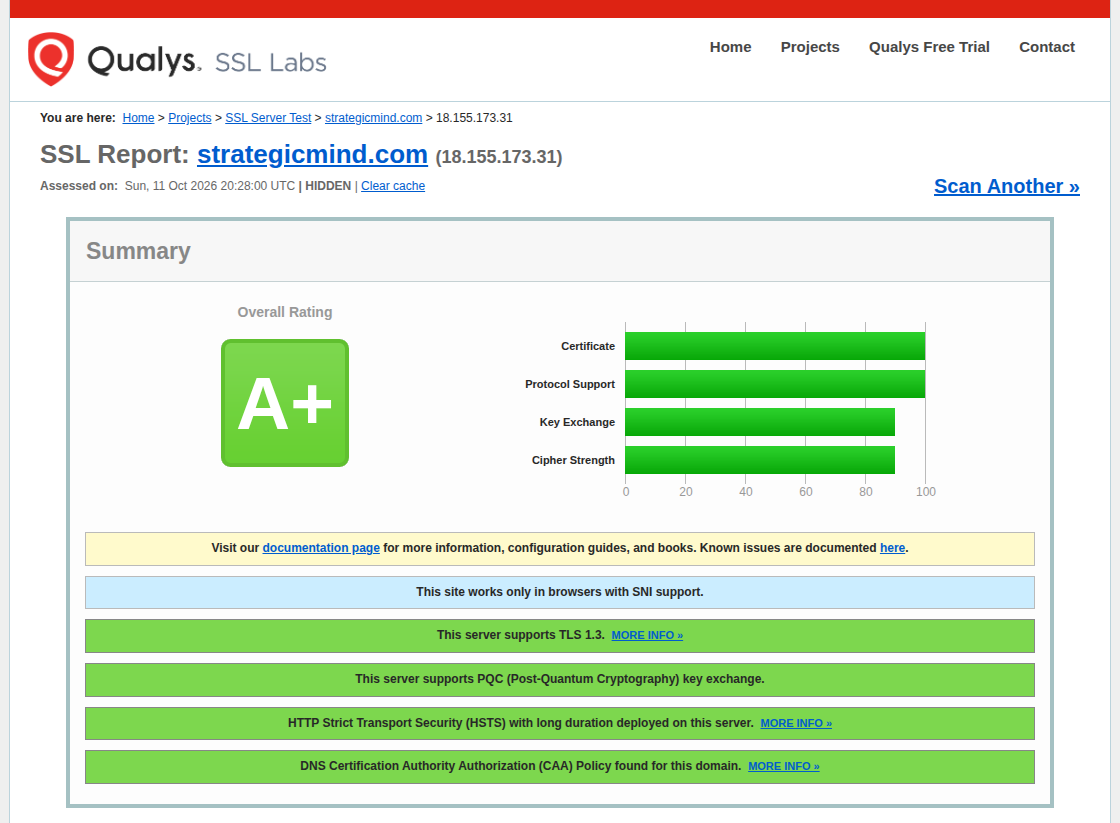
- HTTPS and certificate checks: every page uses an encrypted connection, and the certificate and encryption setup are checked.
- Checked for common accessibility problems: text contrast, page structure and controls are checked on each page.
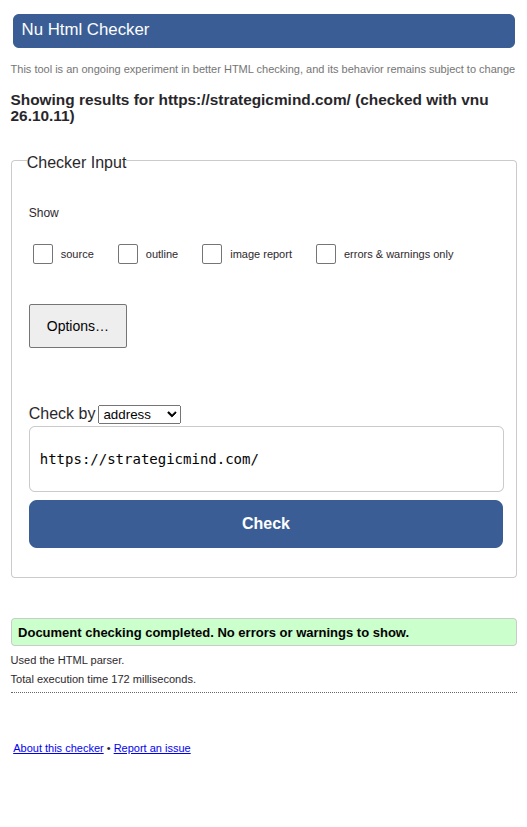
- Pages and forms checked before release: pages are checked for code errors, and forms are filled in and submitted before an update goes live.
- Updates designed to keep your website available: a new version goes live alongside the current one, so visitors keep reaching your website during the change.
- Monitoring helps identify problems: errors visitors run into are logged, and serious failures send me an alert.
These checks catch avoidable website problems. They do not guarantee search rankings, leads, or sales.
Example Results From Websites I Manage
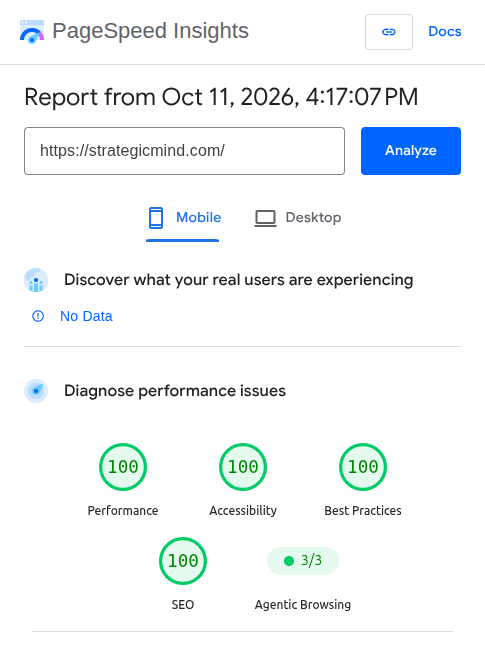
Each result below is one home page, tested on October 11, 2026. Scores change as pages and the tools themselves change, so treat them as examples of what the checks look for.
Each test is free, takes about a minute, and needs no sign-up. Run it on your current website, or a competitor's, and compare.
What Happens If a Test Shows a Gap
If an outside test shows a gap in the website I manage, I investigate it and fix what's covered by your website service.
These tools sometimes flag a problem that isn't one. When that happens, I show you what the tool reported and explain in writing why no fix is needed.
Checked on Every Update, Monitored After Launch
Every update is checked before it goes live, at no extra cost. Updates are designed to keep your website available while the change goes in.
After launch, errors visitors run into are logged and serious failures send me an alert. When I fix a problem, I add a check for it to the tests each update runs.
Reference: How Each Check Is Done
Each outside test is free and needs no technical knowledge. The links test Strategic Mind's own website; run them on any competitor's site and compare.
How each website check is done, and the outside test you can run.
| Check | How I check it | Run it yourself |
|---|---|---|
| Speed | Each page's mobile performance is tested before launch and after updates, and I investigate significant problems. | |
| Search | I check that search engines can access each page and read its title, summary, sharing preview and business details. Every update is checked for each of them before it goes live. | |
| HTTPS | HTTPS on every page, with the certificate and encryption setup checked. | |
| Accessibility | Text contrast, page structure and controls are checked for common accessibility problems. | Accessibility score in the PageSpeed Insights report |
| Page code | Every live page is checked against W3C code standards. | |
| Layout | Every page loads on two iPhone screen sizes and a desktop screen, and is compared with a screenshot of how it looked before. | Internal test |
| Forms and links | On every release, every form is filled in with real clicks and typing, including common mistakes, and every link is checked. | Internal test |
| Connections | The links to your email, calendar, and phone system are checked after every update. The Growth Engine app your team uses is tested on several real phones. | Internal test |
Common Questions About the Website Quality Promise
What is the Strategic Mind Website Quality Promise?
I check your website's speed, mobile layout, search accessibility and HTTPS setup before launch and after updates. If a check finds a problem in the website I manage, I investigate and fix it.
What happens if my website has a problem?
Contact me directly and tell me which page or task is affected. I investigate the problem, explain the next step and fix issues covered by the website service.
Problems outside my control may require action from a hosting, email, calendar or phone provider.
How quickly will you respond?
I aim to reply within one business day. Tell me if customers cannot call, submit a request or book a visit so I can prioritize it.
A response is not a promise that every problem is fixed within that time.
Does this include round-the-clock support?
No. Strategic Mind is a one-person business. Monitoring can alert me to problems, but I do not provide a staffed 24-hour support service.
I tell you ahead of planned absences and explain any changes to support availability.
Does the Website Quality Promise mean my business will rank first on Google?
No. Rankings in Google's free search results depend on relevance, competition, location, website content, reputation, and Google's own systems.
Will my contractor website appear in ChatGPT and other AI search results?
It can't be guaranteed. The checks make your services, business details, and service area readable, which helps search engines and AI tools understand your business. Whether an AI suggests you also depends on your reputation, other sites that mention you, and your competitors.
How do you protect customer information submitted through my website?
Information travels encrypted between the visitor's phone and your website, and you can check it yourself with the free test in the reference table above.
Every form field is checked before it reaches your customer records, customer records are encrypted where they're stored, and your team signs in with their Google account.
Is the Website Quality Promise the same as SEO or marketing?
No. It covers your website's technical base, including technical SEO.
SEO also needs good service pages, local search details, and useful content. Marketing goes further, bringing customers through search, ads, referrals, and more. A sound website supports both but doesn't replace them.
Want to Know How Your Current Website Performs?
Book a 20-minute review, and I explain the checks, show you the problems worth addressing and tell you what I can maintain for you.